Assassin's Creed Shadows — Review
Ubisoft's feudal-Japan entry has had the longest gestation of any modern AC. Was the wait worth it? Here's where Shadows lands a year after release.
2 min read
Franchise Hub
Ubisoft's long-running historical-action series — from the stealth-focused original trilogy to the modern RPG-scale epics.
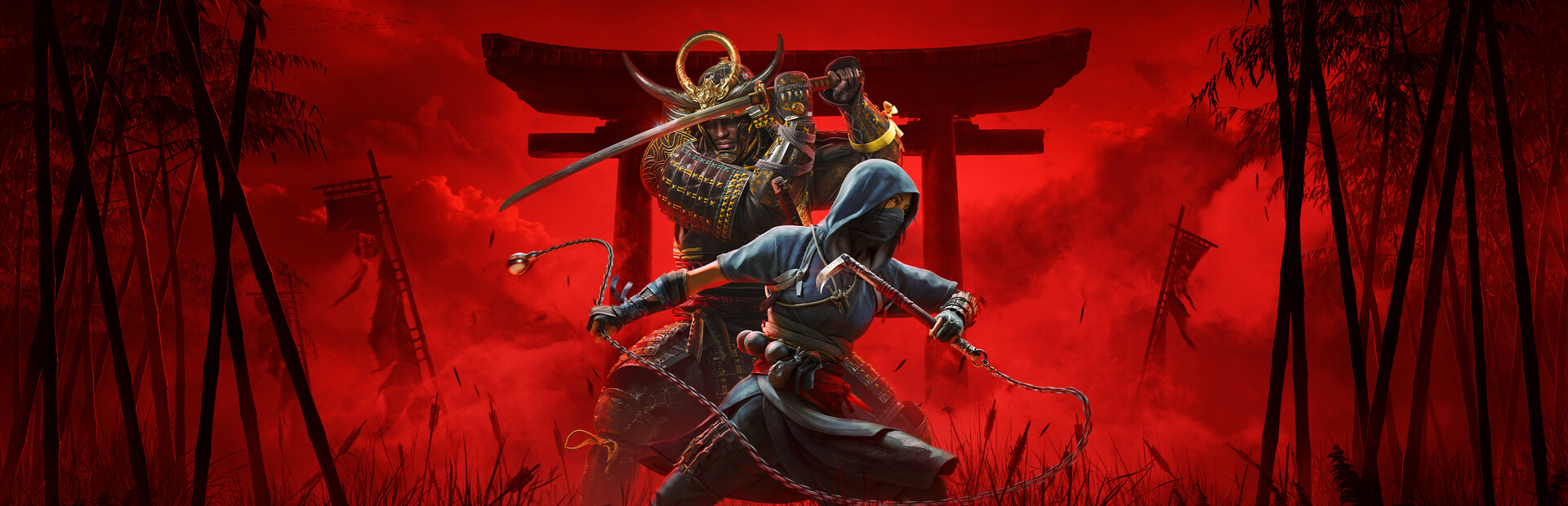
Few series have reinvented themselves as many times — or as visibly — as Assassin's Creed. What began as a focused stealth-and-parkour thriller set in the Third Crusade has, across nearly two decades, become one of the most sprawling open-world frameworks in gaming. The Ezio trilogy made it a household name. Black Flag turned it into a pirate game almost by accident. Origins, Odyssey, and Valhalla rebuilt the series in an action-RPG mould the original games would barely recognise.
The franchise rewards different things depending on when you jump in. Early entries are tighter, more puzzle-like, more about atmosphere. Modern entries are generous, content-dense, easy to lose fifty hours in. Mirage is a deliberate return to the earlier shape; Shadows is the next big statement of where the series goes from here.
This hub tracks reviews, retrospectives, and the broader question the franchise keeps asking — what an Assassin's Creed game is supposed to be in any given decade.
Nintendo's life-sim series — slow, seasonal, conversational, and quietly one of the most influential game designs of the last twenty years.
DICE's large-scale military shooter franchise — vehicles, destruction, and 64-player chaos across three decades of release cycles.
Gearbox's cel-shaded looter-shooter series — guns by the million, characters by the dozen, tonal whiplash by design.
The GamesOracle Dispatch
One email a week. The best of what we published, played, and thought about.