The Case for Replaying Old Games
The release calendar is louder than ever. Here's why the most rewarding thing you can play in 2026 is often something you've already finished.
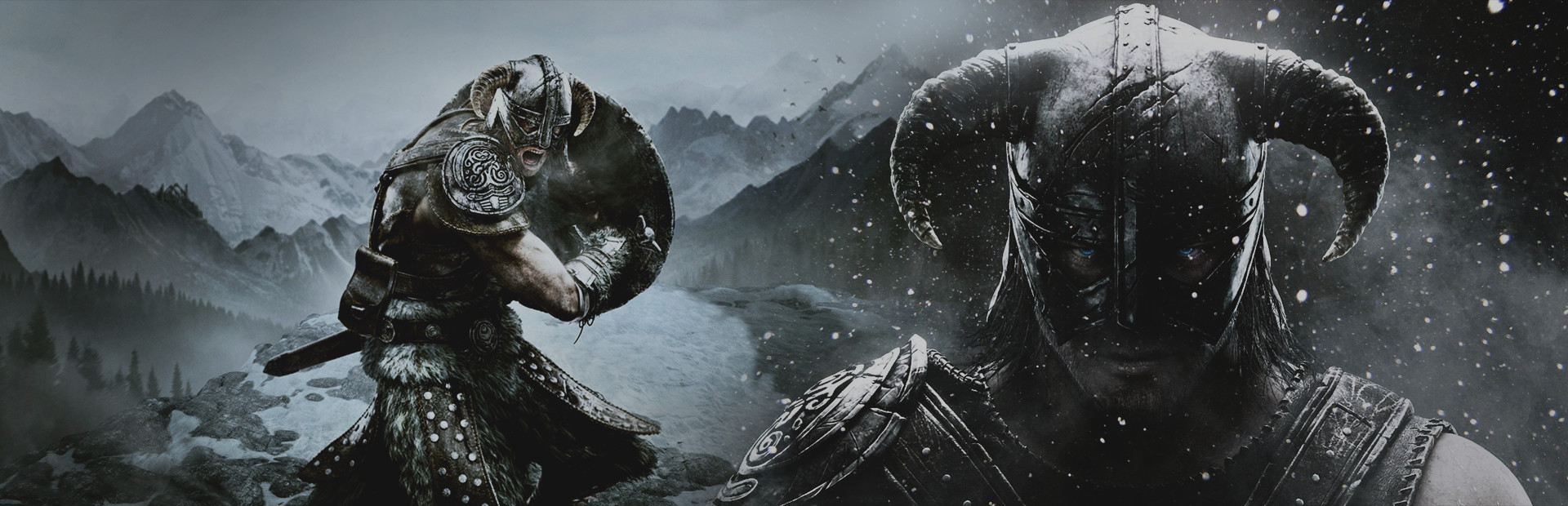
There's a quiet shame in replaying old games. The industry's entire attention economy is wired to push you forward — toward the next release, the next reveal, the next patch. Going back feels like admitting you've run out of road.
But the returns on a well-chosen replay are, on average, better than a new release. And the data isn't complicated: the games you finished and still think about are already filtered by something more reliable than Metacritic — your own memory.
What a Replay Actually Is
A replay isn't nostalgia. It's pattern-recognition you didn't have the first time. You notice the scaffolding: how the tutorial doubles as setup, which mechanics were introduced quietly, how the ending was foreshadowed in hour two.
That second pass turns a lot of games from "ones I liked" into "ones I understand." It's the difference between watching a magic trick and watching it slow.
Three Categories Worth Revisiting
- Games you loved but played under bad conditions — rushed, distracted, tired, on the wrong platform.
- Games you bounced off with a single specific issue — a difficulty spike, a control scheme, a story beat you weren't ready for.
- Games that became important to other people after you played them — the cultural context changes the reading.
One Thing Replays Do That Nothing Else Can
They tell you how much you've changed. The games you rate better on a replay are usually the ones whose depth you've grown into. The ones you rate worse are usually the ones carried by novelty that's since evaporated.
That's not a criticism. That's one of the clearest signals this medium offers.
Follow GamesOracle on YouTube
Watch more gaming reviews, retrospectives, and franchise coverage on YouTube.
Related Articles
Games Don't Need to Be Fun — And That's a Good Thing
The idea that every game must be 'fun' is one of gaming's most limiting assumptions. Here's why we need to move beyond it.
Ghost of Yotei Collector Edition — What It Offers Fans
Sucker Punch's Collector Edition leans on the mask and physical extras rather than a disc — and that single choice reshapes the recommendation. Here's what's in the box, what's missing, and who it's still worth it for.
Battlefield 6 Beta — First Impressions
The Battlefield 6 beta is the cleanest signal DICE has sent in years. Here's what the early build actually shows — and what it tells us about where Battlefield 6 is heading.
The GamesOracle Dispatch
One email a week. The best of what we published, played, and thought about.